







Search Results for: Pour-Over Flavor Profile

2026 Best-Selling Specialty Arabica Coffee Beans Ranking: Ten High-Value Pour-Over Beans Tested and Recommended
Faced with the dazzling array of coffee beans on the market, consumers often find it hard to judge which one truly suits their taste based on评分表 alone. Rather than repeated trial and error wasting your budget, it's better to refer to a market-tested list of popular options. This article compiles the 2026 hot-selling list of specialty Arabica coffee beans, covering ten beans with distinctive characteristics, from Ethiopia's Huakui and Yirgacheffe, to Indonesia's Mandheling, Colombia's Huila, and Yunnan small-batch and classic Italian blends, each one annotated with roast level, flavor description, and suitable brewing methods. Whether you prefer bright fruity acidity or full-bodied sweet aftertaste, you can find a cost-effective choice suitable for pour-over, cold brew, or espresso in this list. [more…]
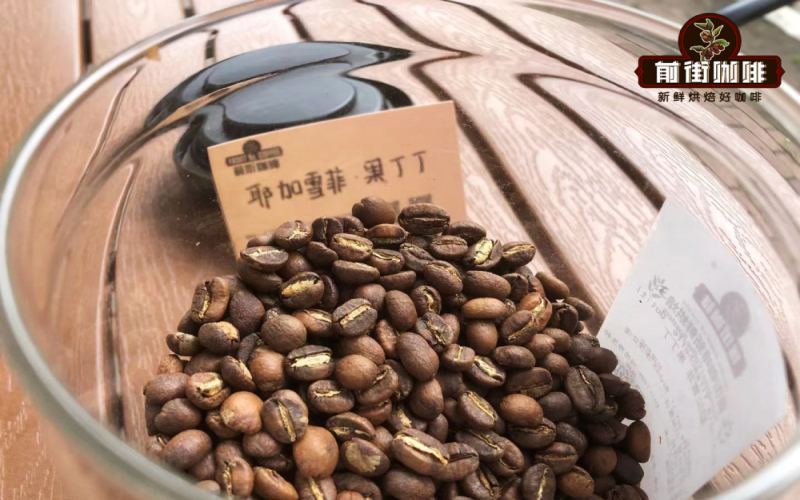
Ethiopian Coffee Beginner's Guide: Flavor Analysis of Five Pour-Over Specialty Beans Perfect for Newcomers
Ethiopia, the birthplace of coffee, is renowned for producing specialty beans with rich floral and fruity aromas and bright acidity. For beginners just getting into pour-over brewing, how to choose a bean from the many producing regions and processing methods that is smooth yet distinctive is the key at the entry stage. This article selects five Ethiopian coffee beans with different styles, covering the two mainstream processing methods of washed and natural, from citrus-acidity types to tropical fruit aromas, from creamy berry notes to floral creamy mouthfeel, and then to the classic character of the famous Geisha estate, sorting out one by one their producing regions, altitudes, varieties and flavor characteristics, to help coffee lovers quickly find an entry-level choice that suits their personal taste preferences. [more…]
Yunnan Catimor vs. Typica Pour-Over Comparison: A Complete Flavor Analysis from Origin and Variety to Roasting and Extraction
Yunnan, as the earliest coffee-growing region in China, boasts premium production areas such as Baoshan's Lujiangba, yet varietal differences profoundly influence pour-over flavor. This article begins with the historical origins of Catimor and Typica, the terroir of the production areas, and green bean characteristics, then meticulously documents the entire process of Catimor red cherry natural processing. Through multiple rounds of roasting curve cupping and three adjustments of pour-over parameters, it explores how to diminish Catimor's herbal and woody bitterness while preserving its steady fruit acidity and caramel sweetness. The article also compares the flavor trajectories of varieties such as Huaguoshan, making it suitable for pour-over enthusiasts seeking a deeper understanding of Yunnan coffee's varietal characteristics and extraction logic. [more…]

Front Street Natural Yirgacheffe Red Cherry Coffee Beans Review: A Full Breakdown of Ethiopian Pour-Over Parameters and Flavor Profile
Yirgacheffe has always been a产区 that specialty coffee enthusiasts love to talk about, and the advancements in natural processing in recent years have made Ethiopian beans' flavor even more outstanding. The Natural Red Cherry on Front Street Coffee's bean list is exactly such a Yirgacheffe worth savoring. This article will comprehensively review the flavor profile of this bean, from its regional background and processing method to the roasting approach and pour-over parameters, while also introducing you to the unique features of the Chelchele processing station and the Kochere region. Whether you are a beginner just getting into pour-over or a seasoned connoisseur looking for your next daily staple bean, you will find practical reference information here. Front Street also offers free grinding service to make brewing more convenient. [more…]
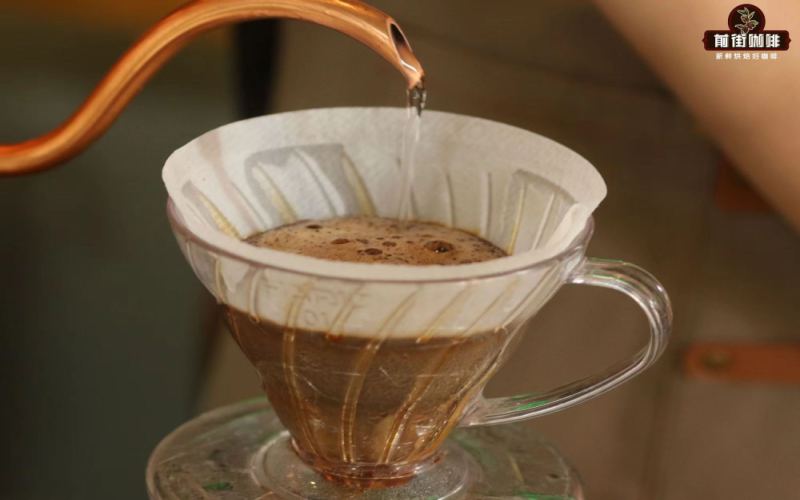
Yunnan Pour-Over Coffee Flavor Analysis: A Complete Guide to the Taste Profile and Brewing Key Points of Small-Bean Catimor
Pour-over extraction can reveal the multi-layered flavors of coffee as the temperature changes, so what would Yunnan arabica taste like when interpreted through pour-over brewing? Before brewing, let's review the variety background of Yunnan arabica with Front Street Coffee—from the reasons behind the creation of Catimor, to the terroir conditions of the Baoshan production area, and then to the clean profile brought by washed processing. This article will also provide Front Street's recommended pour-over parameters and flavor description to help you gain a more complete understanding of this Yunnan bean, which combines nutty aroma, herbal and chocolate notes, and soft acidity. [more…]

An In-Depth Analysis of the 90+ Coffee Brand: A Complete Guide to Profile Processing and Geisha Pour-Over Flavor
In the specialty coffee world, mention "90+" and discussions instantly heat up—is there a new bean out? Or have they come up with some novel processing method again? In fact, 90+ (Ninety Plus) is the name of an American green coffee company, named for producing only top-tier beans that score above 90 in cupping. From the stunning debut of Ethiopia's Aricha and Beloya to the dazzling Eleta and Juliet of Panama's Geisha estates, 90+ has relied on its original Profile Processing system to control everything from selection and breeding to processing, redefining the upstream standards of specialty coffee. Today, Front Street Coffee takes you through a comprehensive look at 90+'s past and present, its core processing methods, and the pour-over flavors and brewing suggestions for two Geisha coffees. [more…]
Blue Mountain Coffee Pour-Over Guide: Flavor Profile, Peaberry, and How to Drink It Properly
Blue Mountain coffee is hailed as the "Beauty of Coffees," world-renowned for its perfect balance of acidity, bitterness, sweetness, and body. This article takes you deep into the flavor characteristics of Blue Mountain coffee, the precious Peaberry variety, and how to fully unleash its elegant charm through pour-over brewing. From roasting recommendations to tasting methods, from caffeine content to the uniqueness of its origin, this comprehensive analysis reveals the distinctive allure of this top-tier specialty coffee, equipping every coffee lover with the essential knowledge to brew out Blue Mountain flavor. [more…]
Jamaican Blue Mountain Coffee Beans: Pour-Over and French Press Brewing Tips and Flavor Profile Analysis
Jamaican Blue Mountain coffee is renowned worldwide for its balanced and elegant flavor, but to fully unlock its flavor potential, the choice of brewing method and the details of execution are crucial. This article systematically introduces the two mainstream extraction paths for Blue Mountain coffee beans—French press and pour-over drip—and breaks down in detail the complete steps from grind size control and water temperature adjustment to pouring rhythm. Whether you prefer immersion or pour-over, you will find practical guidelines here to make every cup of Blue Mountain coffee present a clean, round, and richly layered performance in the cup. [more…]
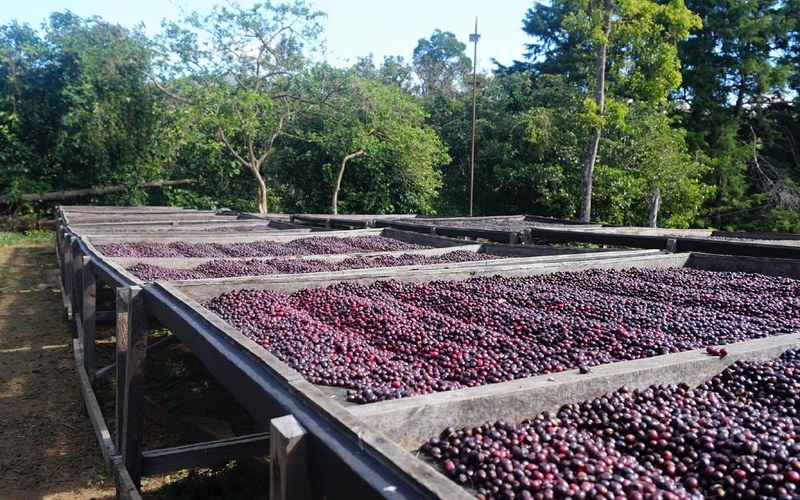
Light, Medium, and Dark Roasts: Cup Profile Differences in Decaf Pour-Over Beans
When selecting decaffeinated coffee beans, you can first judge the flavor direction by the roast level, then confirm the decaf or decaffeinated label on the packaging. The roast level mainly affects aroma, acidity, sweetness, and body, and does not by itself determine caffeine content. To reduce your intake, you should first confirm what process the beans have undergone; to make your brew [more…]
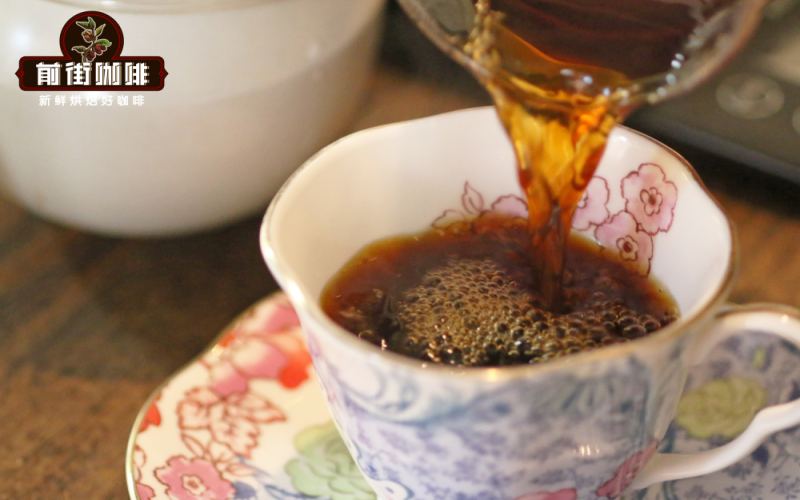
A Complete Analysis of the Ethiopian Yirgacheffe Coffee Bean: Regional Characteristics, Flavor Profile, and Pour-Over Brewing Parameters
In the landscape of specialty coffee, Yirgacheffe is a name that cannot be overlooked. Almost every café with single-origin beans reserves a spot for it on the menu. This small town in southern Ethiopia, sitting at 1,700 to 2,100 meters above sea level, how did it become a favorite of countless coffee lovers? This article, from the perspective of Front Street Coffee, takes you through Yirgacheffe's growing region background, variety characteristics, cooperative operations, and the flavor differences brought by the two major processing methods: washed and natural. At the end, it also shares specific information on three representative beans—Front Street washed Yirgacheffe, Gotiti Cooperative, and Red Cherry—along with practical pour-over tips to help you more confidently brew a clean and bright cup of Yirgacheffe. [more…]
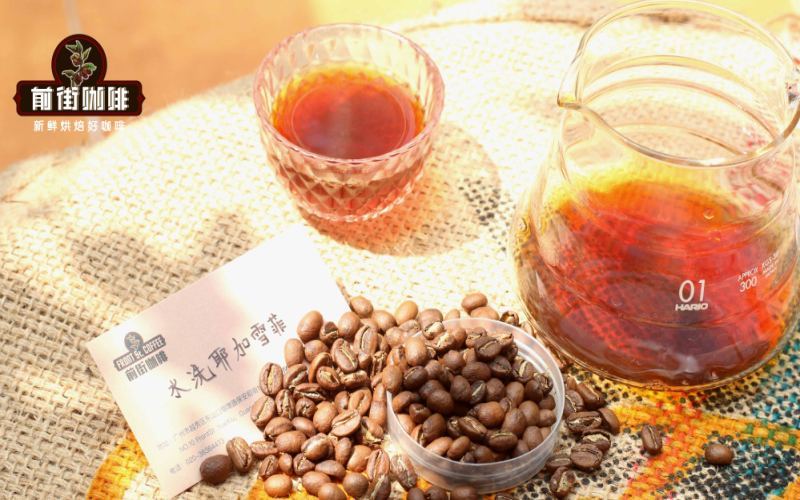
Yirgacheffe Pour-Over Guide: Flavor Profile, Market Price, and Optimal Brewing Temperature Analysis
Yirgacheffe, as a representative of Ethiopian coffee, is deeply loved by coffee enthusiasts for its unique flavor that interweaves floral and fruity notes. This article will comprehensively analyze the flavor characteristics and brewing key points of Front Street Yirgacheffe from multiple dimensions including the terroir of the producing region, washed processing techniques, roasting methods, and pour-over parameters, while also exploring its price positioning and optimal water temperature recommendations, helping you better understand and brew this bright and clean African specialty coffee. [more…]

Brazil Queen's Estate Natural Process Iced Pour-Over Coffee Method: A Detailed Guide to Ratios, Flavor Profile, and Brewing Key Points
Brazilian coffee is known for its rich, mellow bitterness, forming a stark contrast with the floral and fruity acidity of African beans. If Brazilian beans are used for iced pour-over, what kind of flavor profile would they present? This article takes Front Street Coffee's Queen's Farm sun-dried coffee beans as an example, systematically sorting through the grinding size, water temperature, dripper selection, and coffee-to-water ratio for iced pour-over, from the growing region background and processing method to the roasting approach, and provides a complete brewing procedure. Queen's Farm is located in the Mogiana region and has won multiple Brazil COE awards since 1999. The sun-dried processing preserves the sweetness of the fruit pulp, while the medium-dark roast highlights nutty, chocolatey notes and sugarcane sweetness. By mastering key points such as grinding finer, lowering the water temperature, and slow extraction with a KONO dripper, you can brew a clean and refreshing iced Brazilian coffee at home. [more…]
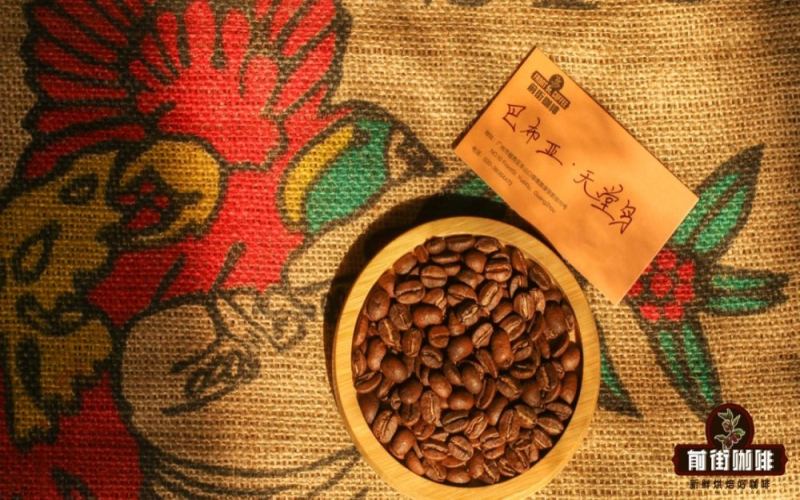
Not a Fan of Sour or Bitter: Sweet Pour-Over Bean Recommendations to Truly Understand "Sweetness"
In the flavor spectrum of coffee, "sweetness" is the most easily overlooked segment. Many people waver between acidity and bitterness, yet fail to realize that in specialty coffee there is an entire route centered on sweetness—smooth, easy to drink, and appealing to all ages. This article explains sweet-tasting beans all at once. Where does coffee's sweetness come from? Coffee's sweetness mainly comes from roasting. [more…]
A Comprehensive Analysis of Jamaican Blue Mountain Coffee Bean Characteristics: A Guide to Pour-Over Grind Settings and Flavor Profile
Jamaican Blue Mountain coffee is one of the most famous coffees in the world, but the beans that can truly bear the name "Blue Mountain" are extremely rare. This article systematically outlines the producing region definition and altitude grading standards for Blue Mountain coffee, and takes a deeper look at its classic flavor: rich, mellow, sweet, soft, and smooth. At the same time, for pour-over enthusiasts, we have put together practical grinding parameters and brewing suggestions, along with product recommendations from Front Street Coffee, to help you better experience this finest of coffees. [more…]

How to Choose Several Dark Roast Coffee Beans Suitable for Pour-Over: Cup Profile Changes Brought by Different Roast Levels
The roast level changes a coffee bean's flavor focus and extraction rhythm. Light roasts usually retain more floral and fruity aromas and bright acidity, medium roasts tend to present sweetness and balance, while dark roasts lean toward nutty, cocoa, and full-bodied flavors. None is superior to another; the key is whether it matches how you drink it. Dark roasting shifts the flavor toward cocoa, [more…]

Costa Rica Musician Series Beethoven Coffee Beans: Flavor Profile of Tarrazú Yellow Catuai Washed and Pour-Over Guide
When music meets coffee, what kind of inspiration can be sparked? Front Street Beethoven from the Costa Rica Musician Series is a specialty coffee named after the great composer. It comes from the Canet Estate in the Tarrazu region at an altitude of 1,900 meters, uses the Yellow Catuai variety, and is washed-processed, presenting a clean and bright juicy fruit profile woven with berries and citrus. This article will guide you through the bean's regional background, variety origin, and processing method, and share Front Street Coffee's brewing parameters and techniques, so you can recreate a cup of pour-over coffee full of musical rhythm at home. [more…]
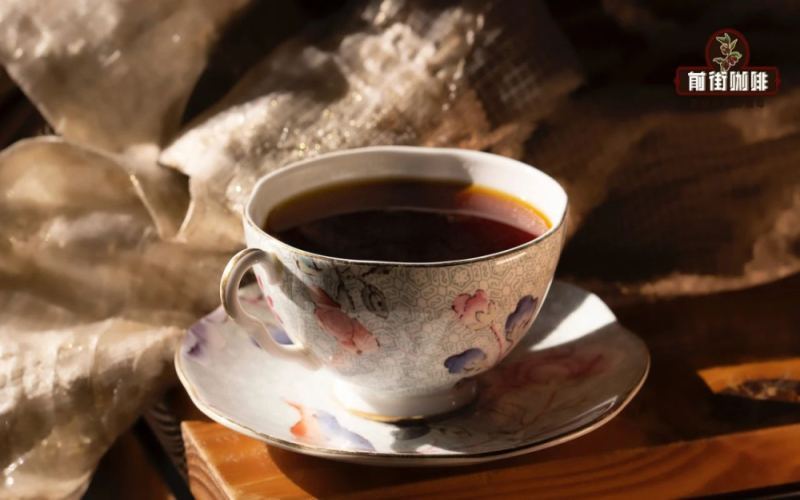
A curated guide to light-roast coffee beans: flavor profile analysis and practical pour-over parameter recommendations
The flavor profile of pour-over coffee is often foreshadowed at the bean selection stage, and the roast level is the most critical part of it. Light-roasted coffee beans, due to shorter roasting time and lighter dehydration, retain more of their original floral and fruity aromas and organic acids, presenting a bright and richly layered cup performance. However, many friends who have just encountered light-roasted beans often have a misunderstanding, thinking that light roast equals sour and hard to swallow. In fact, a high-quality light roast coffee should be in a balanced state of sweetness within the acidity, weak bitterness, and elegant aroma. This article will start from the definition of light-roasted beans, introduce five Front Street light-roasted coffee beans suitable for beginners one by one, and include a complete three-stage pour-over operation process and parameter suggestions to help you more calmly extract the ideal flavor of light-roasted coffee. [more…]
Jamaica Blue Mountain Coffee Flavor Profile Analysis and Pour-Over Parameters Sharing
Blue Mountain coffee is widely recognized as one of the finest coffees in the world. What flavors does it actually present? And how should it be brewed to bring out its best performance? Starting from the cultivation history of Jamaican coffee, this article sorts out the varietal characteristics of Blue Mountain coffee and its washed processing flow, and shares a verified set of pour-over parameters and pouring techniques. At the same time, the article also points out a fact that is often overlooked—the Blue Mountain region has limited growing area, and not all coffees labeled "Blue Mountain" are truly produced there. Whether you are a beginner just getting into specialty coffee or a seasoned drinker looking to refine your brewing skills, this article can provide practical reference. [more…]
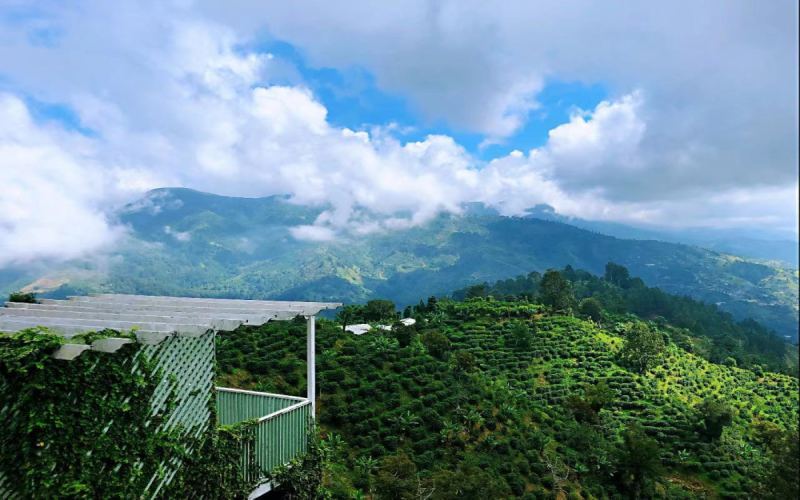
Jamaica Blue Mountain No. 1 Coffee Bean Brand Recommendation: Clifton Estate Flavor Profile and Pour-Over Parameters in Detail
Blue Mountain coffee is hailed as the gentleman of the coffee world, but the market is flooded with products bearing the Blue Mountain name. How can you tell an authentic Jamaican Blue Mountain No. 1? This article systematically lays out the key points for buying and tasting Blue Mountain coffee, from regional regulations and certification documents to variety characteristics and brewing methods. It also introduces the Clifton Estate 1310-meter Blue Mountain beans selected by Front Street Coffee since 2014, analyzing their balanced, clean flavor profile. Whether you are a beginner just getting to know Blue Mountain or a seasoned connoisseur looking to confirm your pour-over parameters, you will find practical guidance here. [more…]
How to Choose Coffee Beans Suitable for Pour-Over: How Different Roast Levels Change the Cup Profile
The roast level changes the flavor focus and extraction rhythm of coffee beans. Light roasts generally retain more floral and fruity aromas and bright acidity, medium roasts tend to present sweetness and balance, while dark roasts lean toward nutty, cocoa, and full-bodied flavors. There is no hierarchy among them; the key is whether they match your brewing method. Pour-over flavor is mainly determined by origin, va [more…]